Trump wants to block Wall Street from buying single‑family homes — saying families, not corporations, should own America’s houses.
By Quoc Lam
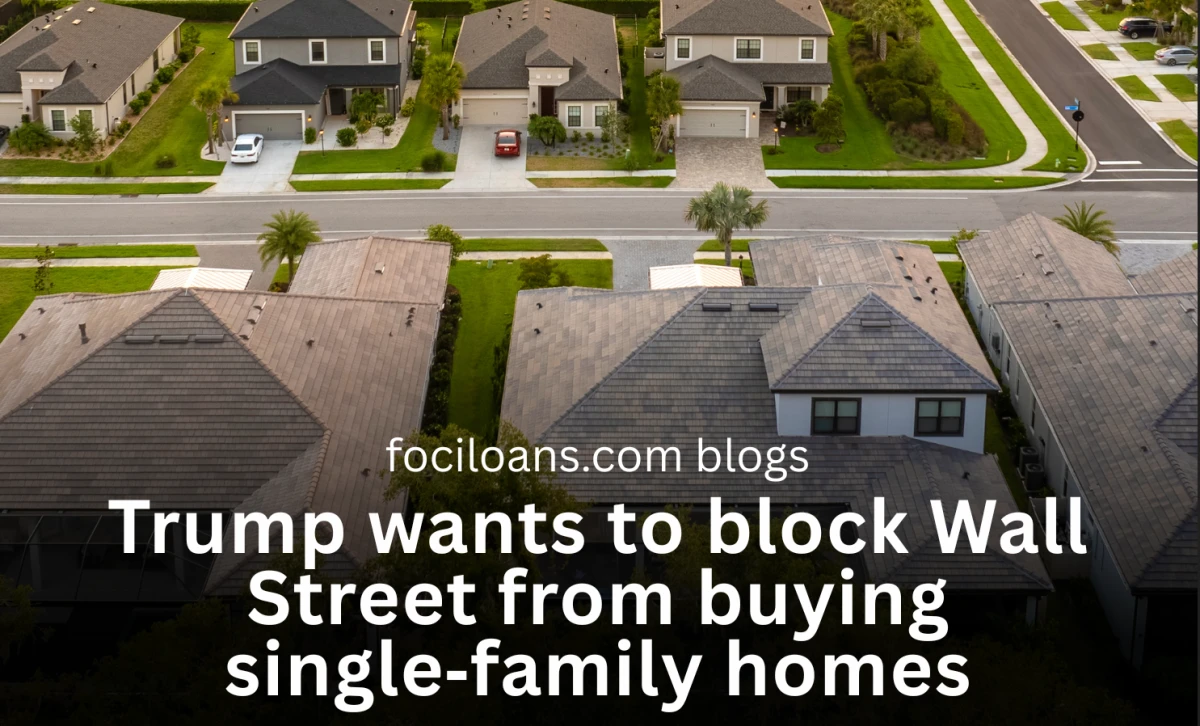
President Donald Trump has announced that his administration is taking steps to ban large institutional investors from buying more single‑family homes, arguing that Wall Street’s growing footprint in housing is making it harder for regular families to buy a home. [consumeraffairs.com]
Trump said the rise of big investors—such as major private‑equity firms and real‑estate investment companies—has shrunk housing supply and pushed up prices, especially in fast‑growing markets across the country. As he put it, “People live in homes, not corporations.” [cnbc.com], [consumeraffairs.com]
Why this matters
- After the 2008 financial crisis, large investors accelerated their purchases of single‑family homes, often turning them into rentals. In some markets, investor purchases made up over 20% of home sales during the pandemic housing boom. [consumeraffairs.com]
- Nationally, they own an estimated 2%–3% of all single‑family rentals, but the concentration in certain cities—like Atlanta and Charlotte—is dramatically higher. [consumeraffairs.com]
- Shares of major real‑estate investment companies dropped immediately after Trump’s announcement, signaling how seriously Wall Street is taking the proposal. [cnbc.com]
What’s unclear
Trump didn’t say how the ban would be enforced, and housing experts note that Congress may need to approve it before it can take effect. Even if passed, the rule would stop future purchases—not force investors to sell the hundreds of thousands of homes they already own. [wsj.com] [consumeraffairs.com]
Bottom line
The proposal reflects the growing public frustration with high home prices and limited inventory. Whether or not a nationwide ban becomes law, it’s clear the conversation about Wall Street’s role in housing is heating up—and could shape policy debates throughout 2026.